


Explore My Services
In Home and Virtual
Occupational Therapy Feeding Treatment

-
Conducting comprehensive assessments to identify feeding challenges, sensory differences, and developmental milestones to create personalized therapy plans.
-
Designing and implementing individualized feeding therapy programs that may include strategies for improving oral motor skills, texture progression, and self-feeding abilities.
-
Utilizing sensory integration theory, regulation techniques, and environmental modifications to help children better process and respond to various sensory experiences related to food, enhancing their comfort and motivation to eat.
-
Providing occupational therapy consultations, training, and resources for parents, caregivers, and community providers who work with children with developmental disabilities. This may include physicians, dentists, school staff, and other professionals who support children at home, in school, and across community settings.
What I Offer
I tailor feeding treatment to your child’s unique needs, taking into account their medical history, developmental stage, and specific feeding challenges. By using a comprehensive, individualized approach, I promise to collaborate with you to create strategies that promote safe and enjoyable mealtime experiences for everyone involved.
Who I serve
I serve Orange County families through in-home and community-based services, the entire state of California through telehealth services, and nationwide through virtual consult services. Feeding can look different for every child. My practice specializes in comprehensive feeding therapy for children starting at 6 months, addressing oral motor difficulties, sensory processing differences, the transition to solid foods, self-feeding skills, and more.
I have experience in treating children with the following:
Autism Spectrum Disorder (ASD)
Sensory Processing Disorder (SPD)
Sensory Modulation Dysfunction
Attention Deficit/ Hyperactivity Disorder (ADHD)
Intellectual Disability
Developmental Delay
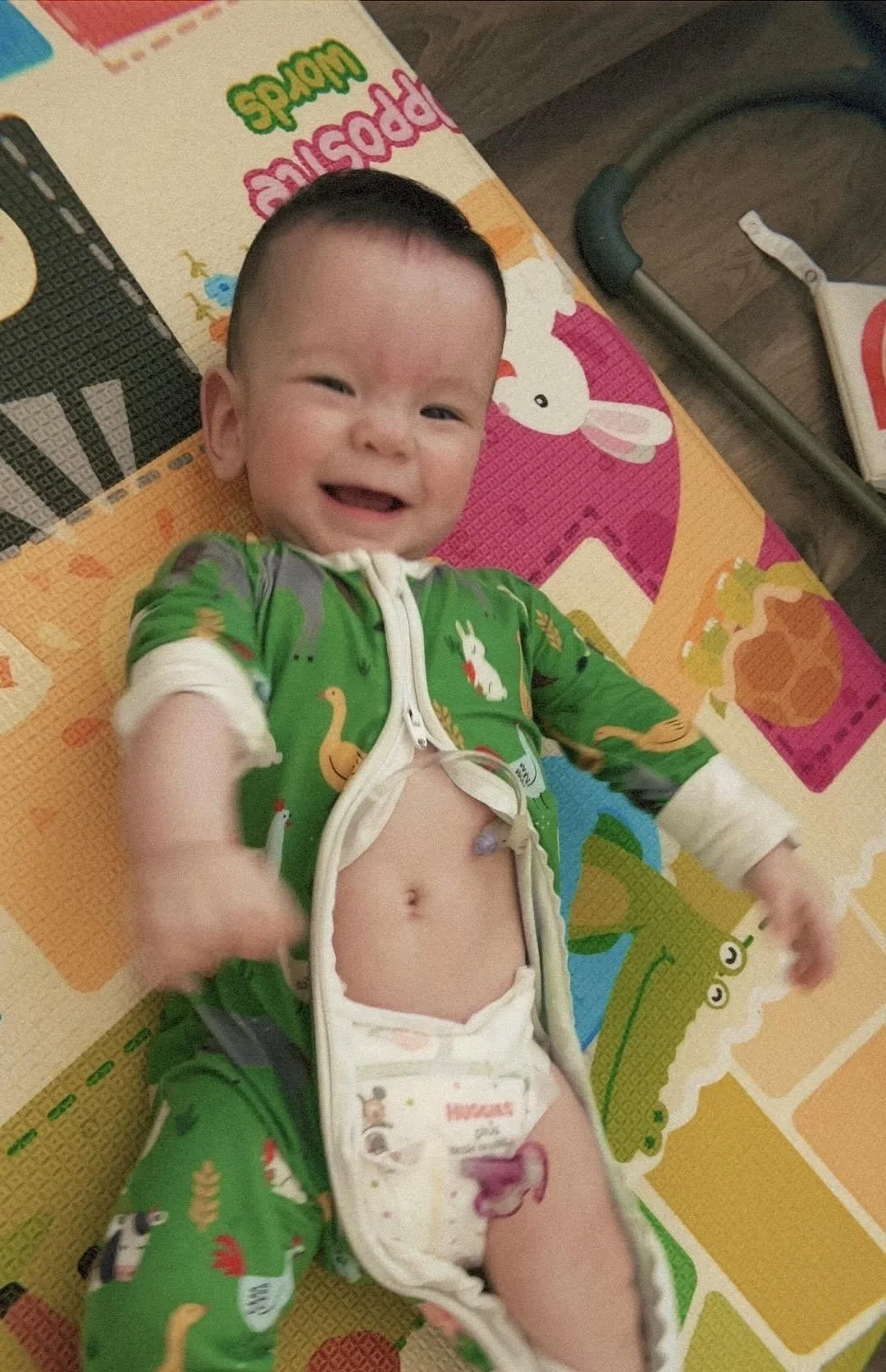
Those with feeding tubes
Delayed oral motor skills
Congenital Heart Defects (CHD)
Developmental Coordination Disorder /Dyspraxia
Trisomy 21 / Down Syndrome
Other various genetic conditions
It is important to recognize that children with complex medical diagnoses and feeding challenges often require an interdisciplinary care team. This may include a medical provider (such as a developmental pediatrician, gastroenterologist, or nurse practitioner), otolaryngologist (ENT), registered dietitian (RD), oral motor specialist (such as a speech-language pathologist or occupational therapist), craniofacial specialist, psychologist, or dentist to establish safe feeding practices and manage feeding disorders effectively as needed. As an occupational therapy provider, I will ensure that I refer out to and/or collaborate with additional providers when necessary, prioritizing your family’s goals and child’s safety, development, and growth to the best of my ability.
When should families seek feeding intervention?
Consider pursuing a feeding evaluation with a specialist(s) if your child shows combinations of the following symptoms that impact their ability to participate in mealtimes in a developmentally appropriate manner:
Safety & Medical Concerns:
Coughing or choking while eating, which may indicate struggles with swallowing safely
Frequent vomiting or spitting up during or after meals
Frequent respiratory infections or pneumonia
Food or liquid coming out of their nose during feeding
Difficulty gaining weight or not meeting growth expectations despite adequate feeding attempts
Oral Motor & Coordination Challenges:
Trouble coordinating sucking, swallowing, and breathing
Difficulty chewing and swallowing solid foods, leading to prolonged mealtimes or food avoidance
Excessive drooling during or between meals
Poor lip closure, making it hard to keep food or liquids in their mouth
Limited tongue mobility, making it hard to move food around in the mouth
Reduced or hypersensitive gag reflex
Pocketing food in the cheeks rather than swallowing
Developmental & Self-Feeding Skills:
Struggling to transition from purees to solid foods
Difficulty sitting up or maintaining posture during meals
Difficulty self-feeding, such as trouble picking up finger food or bringing food to the mouth, with or without utensils
Difficulty using utensils such as loading spoons and forks with food
Struggling with cup drinking
Difficulty drinking from a straw
Sensory & Behavioral Patterns:
Refusing whole food groups or textures
Gagging when food is introduced
Hypersensitivity to food textures, tastes, or temperatures
Meals that take longer than 30 minutes
Mealtimes are stressful for you and your child
Testimonials from Caregivers
Ready to get started?
Schedule a free 15 minute consultation
Receive an OT evaluation
Choose the therapy package that works best for you
Receive exceptional care for you and your child