

Responsive feeding therapy that meets your child where they are and supports your family's mealtime journey
In-home pediatric occupational therapy in Orange County, California
Your child's feeding challenges aren't about stubbornness
Feeding challenges look different for every family.

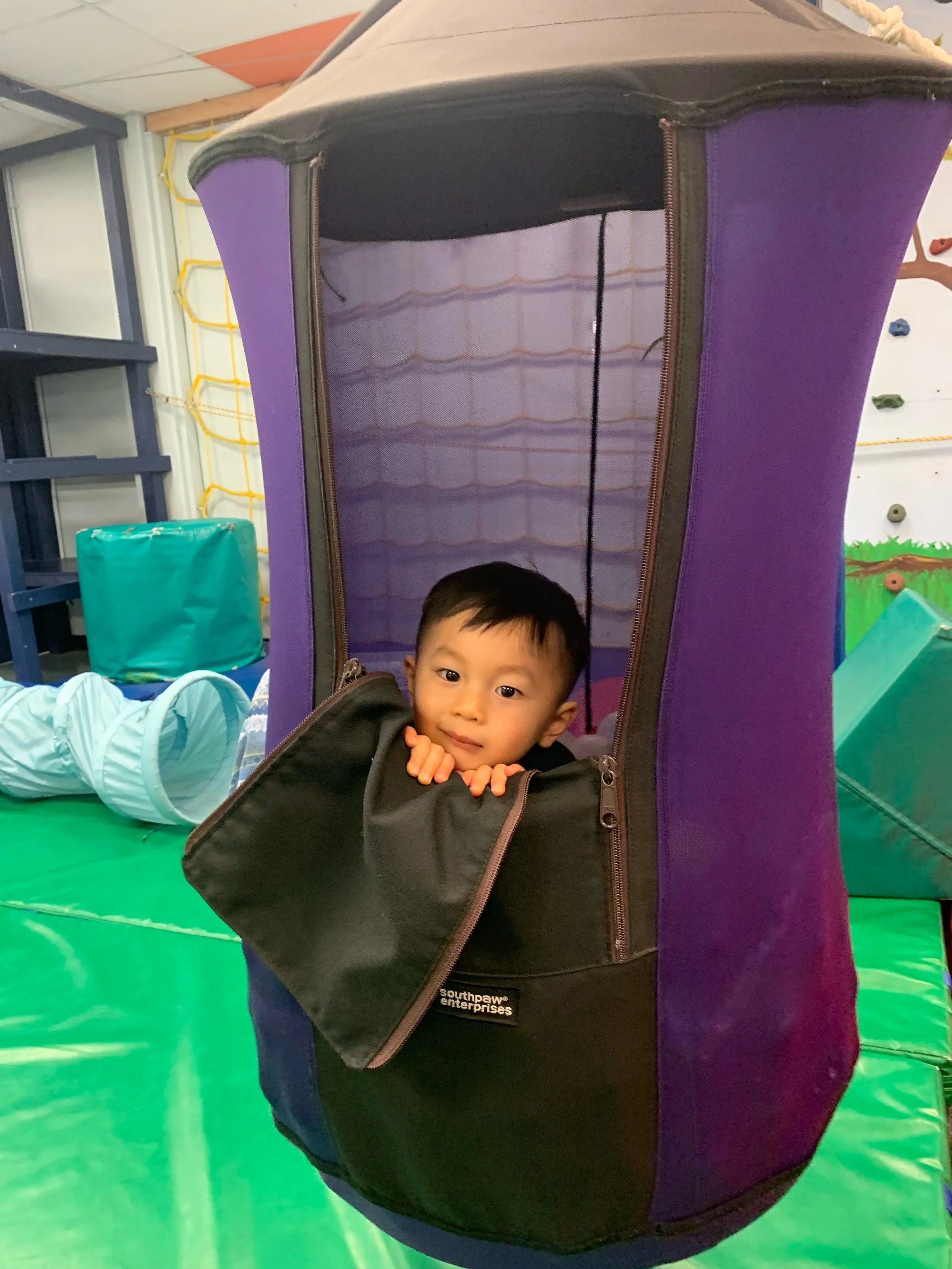
MAYBE YOU’VE FOUND YOURSELF…
Battling at every meal, wondering if you're doing something wrong
Your child refuses most new foods, gags at certain textures, or will eat less than 30 different foods. You've tried everything: rewards, hiding vegetables, making separate meals. You're exhausted and dreading mealtimes. Here's what no one tells you: feeding challenges are almost never only about behavior. They're rooted in 8 different sensory systems, organ and muscle development, motor coordination, environment, and more.
Watching other families eat together while you serve separate meals
You see other toddlers trying new foods without drama. Meanwhile, you're making chicken nuggets for the third time today. The comparison hurts. Your child isn't being difficult, their sensory or motor systems may need foundational support before they can comfortably explore new foods.
Feeling alone because your pediatrician said "they'll grow out of it"
You've been told "kids won't starve themselves" or "just keep offering." But months pass and nothing changes. What you need to know: early intervention during the transition to solids (12-24 months) prevents feeding challenges from becoming entrenched. You don't have to wait.
Watching your child struggle with how to eat or how to progress to age-appropriate foods
Your child coughs during meals, pockets food in their cheeks, or takes 45 minutes to finish a small amount. Maybe they're stuck on purees well past their first birthday, hate being in a chair to eat, or can't seem to manage food in their mouth. Your 2-year-old can't figure out how to use a spoon, spills constantly from a cup, or refuses to self-feed entirely. You're watching peers advance while your child seems frozen at an earlier stage.
These aren't behaviors to push through or signs of laziness—they're signs that the foundational skills for eating aren't yet developed. Self-feeding and oral motor control require postural stability, hand-eye coordination, tongue mobility, jaw strength, and motor planning. When these foundational skills aren't in place, eating feels overwhelming and frustrating. Forcing progress creates fear and resistance, not skill development.
Nervous about starting solids or watching your baby refuse textures
Your 8-month-old gags at anything that isn't perfectly smooth, or your 18-month-old is still eating only purees and bottles. Maybe you're anxious about introducing solids for the first time—worried about choking, gagging, or your baby's readiness. Or perhaps you've been trying for months and your toddler spits out anything with texture, refuses finger foods, or panics when something unexpected touches their tongue. Here's what many caregivers don’t know yet: the transition to solids requires adequate oral motor coordination, sensory processing, postural control, and so many more skills. Some children need therapeutic support to build the foundation for safe, comfortable eating. Starting where your child actually is—not where a chart says they should be—prevents frustration and fear from taking root.
You don’t have to figure this out alone. At Balanced Bites OT, here’s how I can help:

Build mealtime confidence naturally
Feeding challenges are rooted in sensory processing, nervous system regulation, muscle recruitment, oral motor development, the environment, our daily routines, and more. We address these foundational needs first, creating the safety your child needs to explore foods at their own pace. Most progress happens when we stop pressuring and start supporting.

Transform stress into curiosity
Mealtimes don't have to be battles. With our responsive, child-led approach, we help your child develop intrinsic motivation for exploring foods. When children feel safe and supported (not pressured), their natural curiosity emerges. We create the conditions for exploration, not compliance.

Support the whole family
You're not just getting therapy for your child. You're gaining coaching, strategies, and peace of mind. We work with you on responsive communication, environmental modifications, and reading your child's cues so mealtimes become connection points instead of stress points for your entire family.
My practice isn't about forcing results or demanding your child perform. I create personalized, responsive experiences that honor your child's unique neurology and developmental readiness. I understand that choosing a feeding therapist is a significant decision, and you deserve a provider who sees your child as capable and your instincts as valid. Below are the core principles that make Balanced Bites OT unique.
The Balanced Bites OT Difference: Where Expert Care Meets Family Partnership
1. Specialized Expertise in Pediatric Feeding
I specialize in feeding therapy, with advanced training including a pediatric fellowship at OHSU's Doernbecher Children's Hospital through the LEND (Leadership Education in Neurodevelopmental & Related Disabilities) Program, Ayres Sensory Integration® (ASI) certification, and more. You're getting care that's tailored, evidence-based, and effective.
2. Consistent, Personalized Partnership
Every time we meet, you work with me. This consistency means I truly get to know your child and your family's patterns, providing care that feels familiar and reassuring. I learn your child's subtle cues, their sensory preferences, and what strategies actually work in your home.
3. A Child-Led, Neurodiversity-Affirming Space
My practice is more than a treatment setting—it's a calm, welcoming environment where your child's pace is respected. I create a space that supports your child's nervous system, honors their communication style, and celebrates their progress without forcing timelines.
4. Comprehensive Sessions Focused on Foundations
Each session addresses the root causes of feeding challenges, not just surface behaviors. We work on sensory processing, postural control, oral motor skills, and regulation—the pyramid of learning foundations that make eating possible. This means real, lasting progress instead of temporary compliance.
5. Empowering Families with Knowledge
I do more than treat symptoms—I educate and empower. You'll understand why your child responds the way they do, what their nervous system needs, and how to support feeding development at home. You'll leave sessions feeling equipped, not overwhelmed.
6. Evidence-Based Care with Real Results
My approach combines sensory integration principles, responsive feeding methodology, and developmental frameworks to understand your child’s needs. These are evidence-based practices that create sustainable change in your child's relationship with food and their body.
7. A Partnership That Honors Your Expertise
Choosing Balanced Bites OT is a proactive step toward mealtime peace. I'm not here to judge your previous attempts or tell you what you're doing wrong. You know your child best. My role is to partner with you, validate your observations, and provide the specialized lens of occupational therapy to support what you're already seeing.
My Treatment Approach
Finding the right occupational therapy fit for your child is essential because each child is unique, and their therapy should support their individual needs and strengths. These principles guide everything we do together:
Child-led, play-based, and strengths-based approach
We follow your child's interests and cues, building on their existing skills rather than focusing on deficits. Play and exploration drive our work, not compliance or performance. This creates positive associations with exploration and reduces anxiety around new experiences.
Neurodiversity-affirming care
Neurodiversity-affirming care ensures that my therapy respects and embraces your child's neurological differences, promoting a positive self-identity and a safe space for expression, connection, and all types of interaction. I don't pathologize differences—I honor them and work within your child's nervous system.
Responsive feeding approach
A responsive feeding approach prioritizes your child's autonomy, follows their cues, and helps foster a positive relationship with food. This empowers children to take control of their own eating experience with intrinsic motivation rather than external pressure or rewards.
Foundational knowledge of sensory integration
A foundational knowledge of sensory integration helps us understand how your child organizes and responds to sensory input in order to remain regulated, learn new skills, and adapt to their environment. Using the pyramid of learning framework, we address sensory-motor foundations before expecting higher-level feeding skills.
Family partnership
You're the expert on your child. I bring the specialized OT lens. Together, we figure out what your child needs, what your family can sustain, and how to make mealtimes feel better for everyone.
Meet TERESA CAO - Your feeding occupational therapist serving Orange County, CA
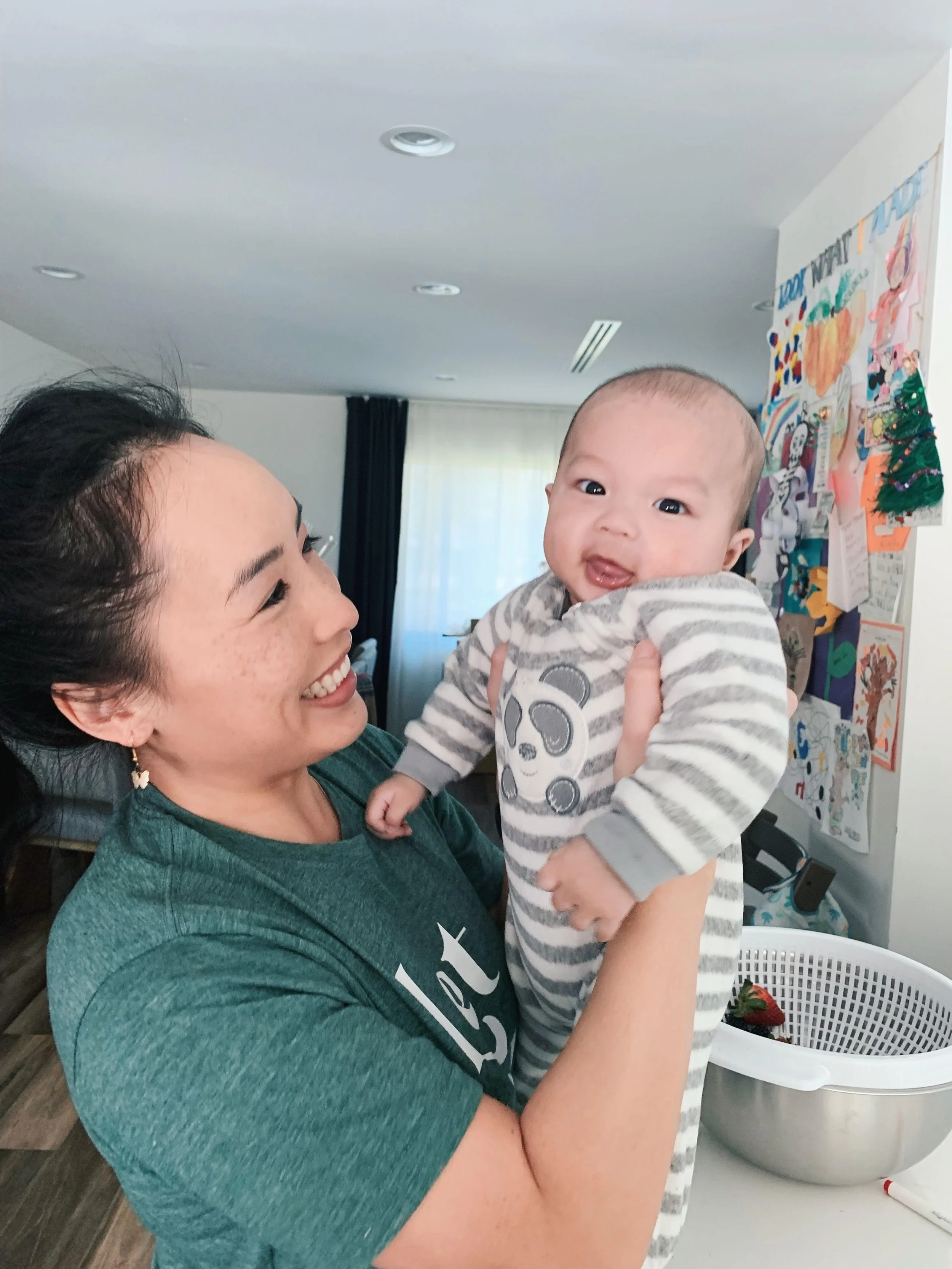
I understand how isolating feeding challenges can feel. When I work with families, I see parents who've tried everything, received conflicting advice, and been told to "just wait it out." But you know your child needs support now. As a feeding specialist with advanced training in sensory integration and pediatric development, I created Balanced Bites OT to provide the responsive, evidence-based care that honors your child's unique nervous system and respects your family's journey. My approach addresses the foundational requirements that make eating possible, rather than demanding compliance or forcing results. When children feel safe and supported (not pressured), their natural curiosity about food emerges. You don't have to navigate feeding challenges alone.